Judge’s ruling could clear way for Lindsay Clancy to be tried again in deaths of her 3 kids
BOSTON (AP) — A judge on Monday denied a motion to dismiss the murder case against Lindsay Clancy, potentially clearing the way for her to be retried next year in the deaths of her three young children.
Clancy’s defense team had asked the court to end the case based on an unusual argument that the judge shouldn’t have declared a mistrial in September when jurors were unable to reach a unanimous verdict. They argued that the judge should have removed the one juror who favored conviction, then allowed jury deliberations to continue.
But Judge William Sullivan disagreed, saying he saw no other option than to declare a mistrial.
“Because the court concludes that there was manifest necessity for a mistrial based on the jury’s deadlock, a retrial on the murder indictments does not violate Clancy’s right not to be placed in double jeopardy,” Sullivan wrote.
A spokesperson for Plymouth County District Attorney Timothy Cruz declined to comment.
Clancy has never denied that she killed her three young children in 2023, but her lawyer has argued that Clancy had postpartum psychosis and was unable to control her behavior.
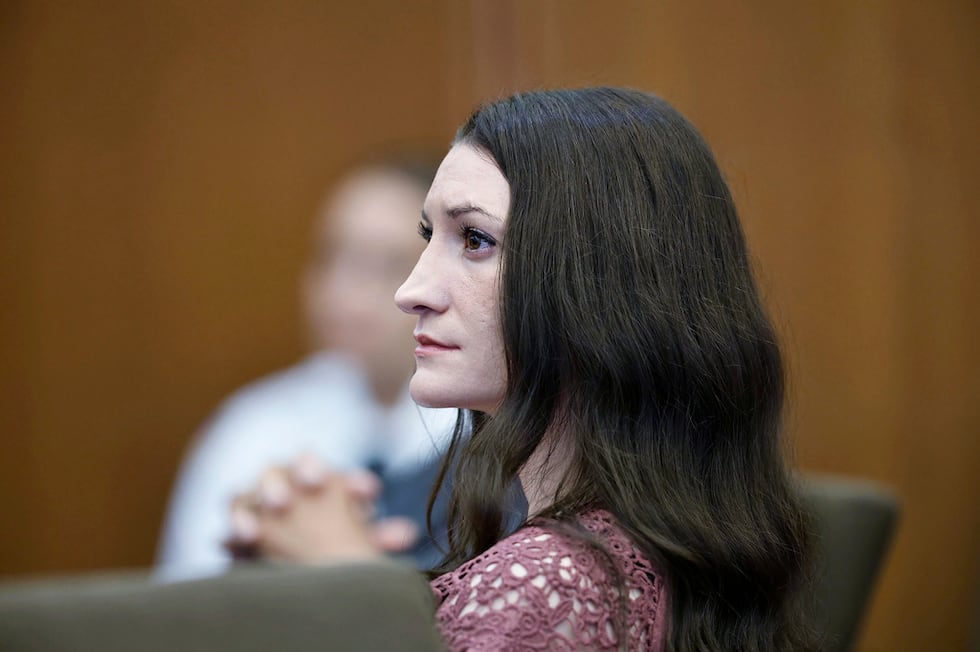
Prosecutors have acknowledged that Clancy had mental health problems, but they said she acted deliberately and understood her actions were wrong. Prosecutors said they intend to retry Clancy, but they haven’t settled on whether they will pursue the same charges or opt for a reduced charge that might be more palatable for the jury.
The next hearing is Nov. 16.
In the motion to dismiss, one of Clancy’s lawyers, Martin Weinberg, argued that the judge should have thoroughly interrogated jurors after the foreperson sent two notes saying the one juror who favored conviction wasn’t following the court’s instructions on reasonable doubt.
Sullivan said that type of questioning is barred by law.
“Because the secrecy of jury deliberations is a bedrock of our judicial system, any inquiry into the jury’s deliberative process would improperly intrude into the jury’s function,” Sullivan wrote.
The judge also said he didn’t believe the jury foreperson’s claim that the holdout juror — identified in court papers by the pseudonym Juror Doe — wasn’t following the law.
“In context, the notes appear to express the foreperson’s belief that Juror Doe must be refusing to follow the law because Juror Doe would not agree with the majority’s view of the case,” Sullivan wrote. “Given that the jury unquestionably had reached an impasse, the Court did not and does not view the foreperson’s notes as reliable evidence of Juror Doe’s inability or refusal to deliberate or follow the law.”
On Monday, Sullivan also denied prosecutors’ request for a gag order while the case remains pending, to avoid influencing a future jury. Clancy’s attorney Kevin Reddington gave interviews during the trial, while prosecutors generally didn’t speak to reporters. Clancy’s lawyers argued that it would amount to an unconstitutional restraint on speech.
Sullivan also denied a defense motion to preserve certain records related to the first trial that potentially could have been used to further investigate the conduct of the juror who wanted to convict Clancy.
“In the Court’s view, Clancy is not entitled to any of the materials sought in this motion,” Sullivan wrote.
Copyright 2026 The Associated Press. All rights reserved.